Dry Steam Cleaning in Food Production: A Modern Approach to Sanitation and Efficiency
Dry steam offers advantages in dry processing zones, packaging areas, and equipment that cannot tolerate excessive water exposure
By Goodway Technologies
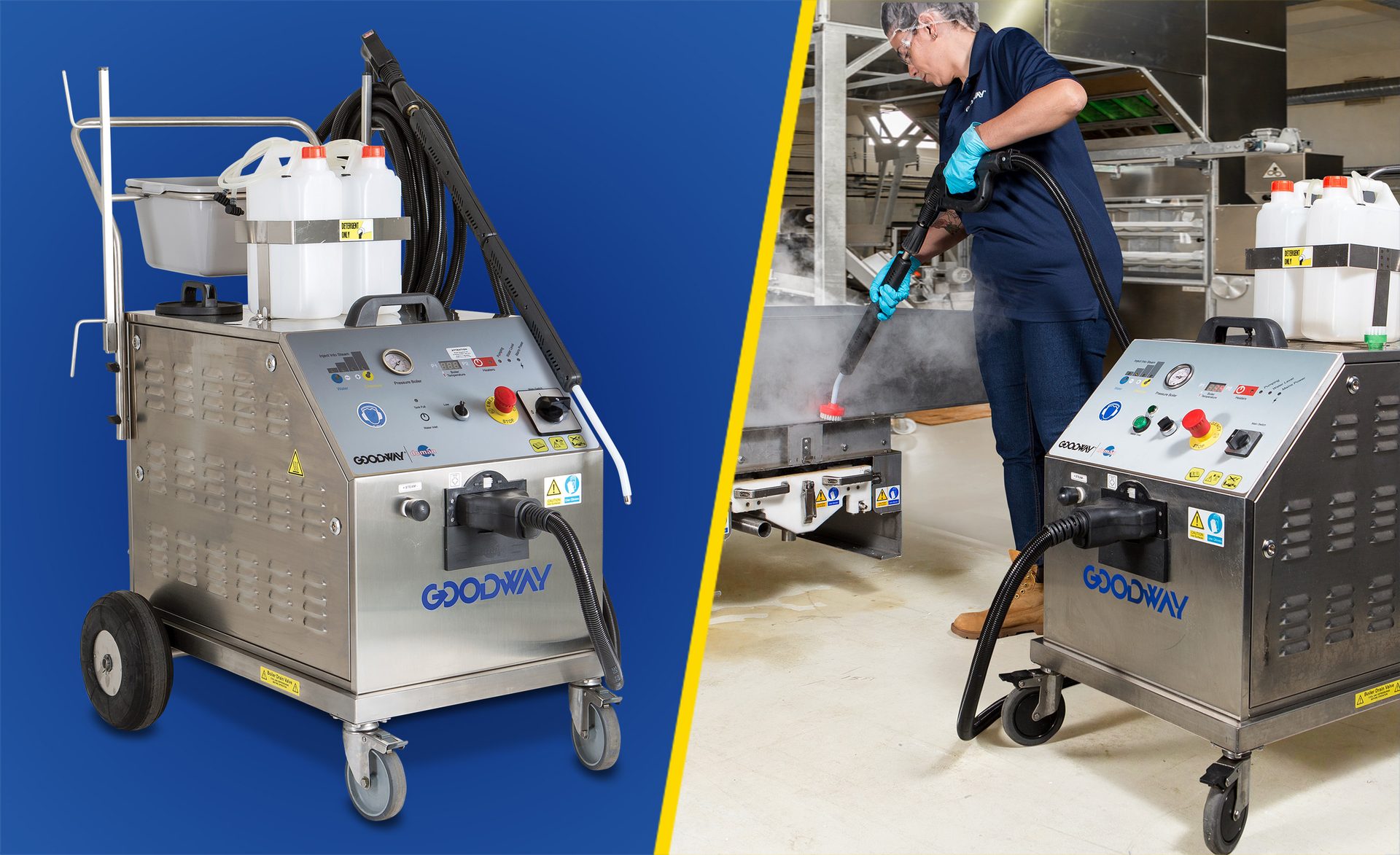
Photo Courtesy of Goodway Technologies
need to update once image is approved/iStock / Getty Images Plus via Getty Images
dusanpetkovic/iStock/Getty Images Plus via Getty Images
In an industry where safety and compliance are not just priorities but also necessities, the introduction of Food Safety Modernization Act (FSMA) Section 204 has set new benchmarks. As the deadline of January 2026 inches closer, the need for a comprehensive and effective approach to achieving compliance is paramount. Enter FoodReady—your ultimate partner in not just meeting, but also excelling, in FSMA 204 compliance.
Maintaining cleanliness in food production environments is essential for ensuring food safety, protecting product quality, and meeting regulatory requirements. Whether producing baked goods, snacks, dairy products, prepared meals, or packaged ingredients, manufacturers must control contamination risks while keeping production running efficiently. Traditionally, food processors have relied on manual scrubbing, detergents, and chemical sanitizers to clean equipment and surfaces. While these methods remain widely used, many facilities are exploring complementary or alternative "dry cleaning" approaches that improve efficiency, reduce water consumption and chemical use, and simplify sanitation procedures.
Dry steam cleaning, which is used for sanitizing surfaces with high-temperature vapor and minimal moisture, has been gaining traction. The technology offers advantages in dry processing zones, packaging areas, and equipment that cannot tolerate excessive water exposure. As production schedules tighten and sustainability goals become more important, dry steam is emerging as a practical tool to support modern sanitation programs.
What is Dry Steam Cleaning?
Dry steam cleaning uses superheated water vapor, typically at temperatures above 290 °F (143 °C) and with very low moisture content (below 5–10 percent), to clean and sanitize surfaces. Unlike traditional steam or hot water washing, dry steam leaves very little residual moisture.
The "dry" characteristic is important in food production settings. Excess water can damage sensitive equipment or contribute to microbial growth if moisture becomes trapped in cracks, insulation, or floor systems. Dry steam minimizes these risks by delivering heat and cleaning action while leaving surfaces dry (Figure 1).
Figure 1. Dry steam minimizes risks by delivering heat and cleaning action while leaving surfaces dry (Image credit: Goodway Technologies)
Why Food Manufacturers are Adopting Dry Steam
Food production facilities face several ongoing challenges: controlling allergens, preventing microbial contamination, reducing downtime, and managing labor and resource costs. Dry steam cleaning addresses many of these concerns in practical ways.
Goodway® industrial dry steam systems are used in food production plants worldwide for delivering fast, reliable cleaning and sanitation. Learn more about Goodway® dry-steam cleaning systems here.
Low Moisture with Effective Cleaning Power
Food residues such as fats, oils, proteins, starches, and sugars can accumulate on production equipment and surrounding surfaces. The high temperature of dry steam helps break down these residues, loosening soils so they can be wiped away. At the same time, the low moisture content helps protect sensitive components and reduces the risk of standing water in production areas. This combination makes dry steam particularly useful in dry processing zones where traditional washdown procedures are not permitted.
Improved Allergen and Pathogen Control
Allergen management is a major concern in modern food production. Ingredients such as wheat, nuts, dairy, and soy can remain on surfaces in microscopic particles, posing cross-contact risks during product changeovers. Dry steam vapor can penetrate small crevices, seams, and textured surfaces where allergens and bacteria often accumulate. The heat helps loosen residues and reduce microbial populations, supporting sanitation programs designed to control contamination.
While dry steam is not always a standalone sanitation method for every application, it can be a powerful addition to cleaning procedures, especially in areas that conventional tools cannot reach.
Faster Cleaning and Reduced Downtime
Production time is valuable, and extended sanitation cycles can reduce overall throughput. Traditional cleaning methods often require multiple steps, including detergent application, rinsing, sanitizing, and drying. Dry steam cleaning can simplify portions of this process by reducing or eliminating rinse steps in certain applications.
Because surfaces dry quickly, equipment can often return to service sooner (Figure 2). This is especially beneficial in facilities with frequent changeovers or continuous production schedules, where minimizing downtime is critical. Click here to see how one facility reduced cleaning by 95 percent using Goodway® dry steam solutions.
Figure 2. Because surfaces dry quickly with dry steam cleaning, equipment can often return to service sooner (Image credit: Goodway Technologies)
"Quality managers no longer need to search through mountains of paper records or juggle multiple digital systems. Instead, they can present auditors with a seamless, transparent view of their food safety program."
Sustainability and Resource Efficiency
Water use is a growing concern in many regions, and food manufacturers are under pressure to reduce it wherever possible. Dry steam cleaning uses significantly less water than conventional washdown methods. In addition, it can reduce reliance on harsh chemicals, lowering disposal requirements and minimizing environmental impact.
These benefits (Table 1) align with broader sustainability goals that many food companies have adopted, including reduced water usage, lower chemical consumption, and improved worker safety.
Table 1. Comparison of Dry Steam Cleaning and Chemical Cleaning (Image credit: Goodway Technologies)
In many facilities, a hybrid approach works best. Use of a food contact surface sanitizer chemical, like alcohol, for final and complete sanitation is always recommended.
Looking for a faster, more complete way to sanitize? Learn more about BioSpray® alcohol-based sanitation systems here.
Ideal Applications in Food Production Facilities
Dry steam cleaning can be applied in a wide range of food manufacturing environments. Common uses include:
- Packaging equipment and conveyor belt systems where moisture must be minimized. Goodway® PureBelt® clean-in-place conveyor belt cleaning systems utilize the power of dry steam to simplify the cleaning process of production lines to reduce labor hours and downtime (Figure 3). Learn more about Goodway® PureBelt® clean-in-place conveyor belt cleaning systems here.
- Dry ingredient handling areas where flour, powders, or seasonings accumulate.
- Oven exteriors and surrounding structures where grease and residues build up.
- Drains and floor joints that harbor microbial growth.
- Control panels, housing, and tight spaces that are difficult to clean manually.
- Changeover cleaning to reduce allergen cross-contact risks.
Because dry steam can be directed precisely, it is effective for detail cleaning tasks that are time-consuming with traditional methods.
Figure 3. Goodway® PureBelt® clean-in-place conveyor belt cleaning systems utilize the power of dry steam to simplify the cleaning process of production lines (Image credit: Goodway Technologies)
References
- Hygiena. "Food Safety Data Management, Simplified with SureTrend®." https://www.hygiena.com/suretrend-data-analytics.
- Hygiena. "Advanced Food Safety and Quality Monitoring System: See Why Over 40,000 Food & Beverage Manufacturers Trust EnSURE® Touch." https://campaigns.hygiena.com/acton/media/38777/all-in-one-ensure-touch.
The Future of Sanitation in Food Production
As food production continues to evolve, sanitation methods are changing as well. Manufacturers are looking for solutions that improve efficiency, reduce environmental impact, and support food safety standards without adding unnecessary complexity. Dry steam cleaning aligns with these goals by offering a practical way to clean and sanitize with less water, fewer chemicals, and reduced downtime.
While it may not replace all conventional cleaning methods, dry steam is increasingly recognized as a valuable tool in modern sanitation programs. From bakeries and snack producers to dairy plants and prepared food facilities, the ability to clean effectively while minimizing moisture is increasingly important.
For food manufacturers facing labor shortages, tighter production schedules, and stricter allergen controls, dry steam cleaning is a technology worth evaluating as part of a comprehensive, forward-looking approach to sanitation and operational efficiency.
The Goodway® sanitation team delivers expert advice and guidance to ensure you get the right cleaning and sanitation equipment that not only deliver needed results but also reduce downtime and labor costs. The Goodway® sanitation team is here to help by offering FREE onsite consultations and equipment demonstrations. Setting it up is easy—click to complete a quick form to get started.
Oleg Latyshev is a Technical Services Manager at Rentokil specializing in pest solutions for the food processing industry.